Flood Emergency Response in Bangladesh (FERB) 2026 is a 12-month recovery and resilience programme helping flood-affected families restore safe water and sanitation, repair damaged homes, recover livelihoods and strengthen their ability to withstand future disasters.

Project Overview
In July 2026, days of continuous monsoon rain caused severe flooding across eastern and southern Bangladesh. FERB 2026 responds to the recovery needs of highly vulnerable flood-affected families by restoring access to safe water and sanitation, supporting safer shelter, rebuilding livelihoods and strengthening community resilience.
The project targets 3,541 households—2,791 in Khagrachari district and 750 in Ukhiya, Cox’s Bazar—reaching approximately 14,961 people directly. In Khagrachari, TUS leads implementation in Sadar, Dighinala and Mohalchari. In Rohingya Camps 14, 15 and 16 in Ukhiya, HEKS/EPER directly implements emergency shelter and site-improvement support.
Why the Project Matters
Between 4 and 12 July 2026, heavy rainfall flooded seven districts. In Khagrachari, floods and landslides damaged homes, roads, bridges, culverts, schools, water points and farmland across all nine upazilas. Smallholder farmers, daily-wage earners and Indigenous households lost income at the same time as they lost shelter and essential services.
FERB is designed to reach vulnerable households, including people living in remote hill communities that can be difficult to access during emergencies and recovery operations.
Goal and Objectives
Goal: To strengthen the safety, dignity and resilience of flood-affected communities through better WASH services, resilient shelter and sustainable livelihood recovery, and to provide life-saving shelter and settlement support to Rohingya households in the camps.
- Water, sanitation and hygiene: restore safe water, sanitation and hygiene services and reduce the risk of waterborne disease.
- Shelter: help vulnerable households repair and strengthen damaged homes so they can live safely and with dignity.
- Livelihoods: rebuild and diversify income through productive assets, skills and small-business support.
- Emergency preparedness in the camps: provide emergency shelter and site-improvement support to households affected by sudden-onset disasters.
What the Project Does
1. Restoring Safe Water
Flood-damaged tube wells and water points are rehabilitated and raised or protected. The project also installs water-quality improvement measures, drills deep tube wells where shallow sources are unreliable, caps natural springs in the hills and conducts regular water-quality testing. Water User Committees, with at least half of their members women, are formed or reactivated and trained to manage each water source.


2. Safe, Dignified Sanitation and Hygiene
Damaged household latrines and bathing spaces are rebuilt using flood-resilient designs, while new latrines are constructed for households that lost facilities or previously had none. Families receive hygiene kits, including menstrual hygiene supplies, and school campaigns and community-led sanitation sessions promote handwashing and other practices that help prevent disease.

3. Safer, Flood-Resilient Shelter
Vulnerable households receive maintenance tools, cash or material support to repair damaged homes, together with practical training in flood-resilient building techniques so families are better prepared before the next flood season.


4. Restoring Livelihoods
Families who lost crops, livestock, fishing income or small businesses receive climate-resilient seeds and farming materials. Small cash grants support damaged micro-enterprises to reopen, while cash-for-work enables community members to earn short-term income as they repair local roads and shared assets.
5. Emergency Shelter and Site Improvement in the Rohingya Camps
In Camps 14, 15 and 16 of Ukhiya, where HEKS/EPER is the Shelter Sector focal agency, the project supports about 1,500 households through shelter upgrading and maintenance and site-improvement works such as drainage, slope protection, retaining walls, stairs and pathways. Emergency shelter materials are provided after rapid damage verification for households affected by landslides and flooding.
Targets at a Glance — Khagrachari Component
| Component | Key activities | Planned target |
|---|---|---|
| Water supply | Rehabilitate and improve water points; deep tube wells; spring capping; water testing; Water User Committees | 150 tube wells/water points; 45 water-quality units; 6 deep tube wells; 2 springs capped; 203 water tests |
| Sanitation | Rebuild damaged household latrines and construct new flood-resilient latrines | 300 latrines reconstructed; 60 new latrines |
| Hygiene | Hygiene kits, school hygiene campaigns and community-led sanitation sessions | 1,000 kits; 24 school campaigns; 6 community sessions |
| Shelter | Maintenance tools, cash/material support and flood-resilient repair training | 250 households supported and trained |
| Livelihoods | Climate-resilient seeds, micro-enterprise grants and cash-for-work on community assets | 180 seed packages; 45 grants; 300 cash-for-work places; 10 community schemes |
Who We Aim to Reach
FERB prioritises low-income and marginalised households whose homes and services were hardest hit and who have the least capacity to recover without support. Special attention is given to:
- Indigenous communities in remote hill areas;
- women-headed households, pregnant women, lactating mothers and adolescent girls;
- persons with disabilities, representing about 2.5% of those targeted;
- older persons, representing about 9% of those targeted; and
- children, through safer living environments, improved WASH services and menstrual hygiene support.

How We Work
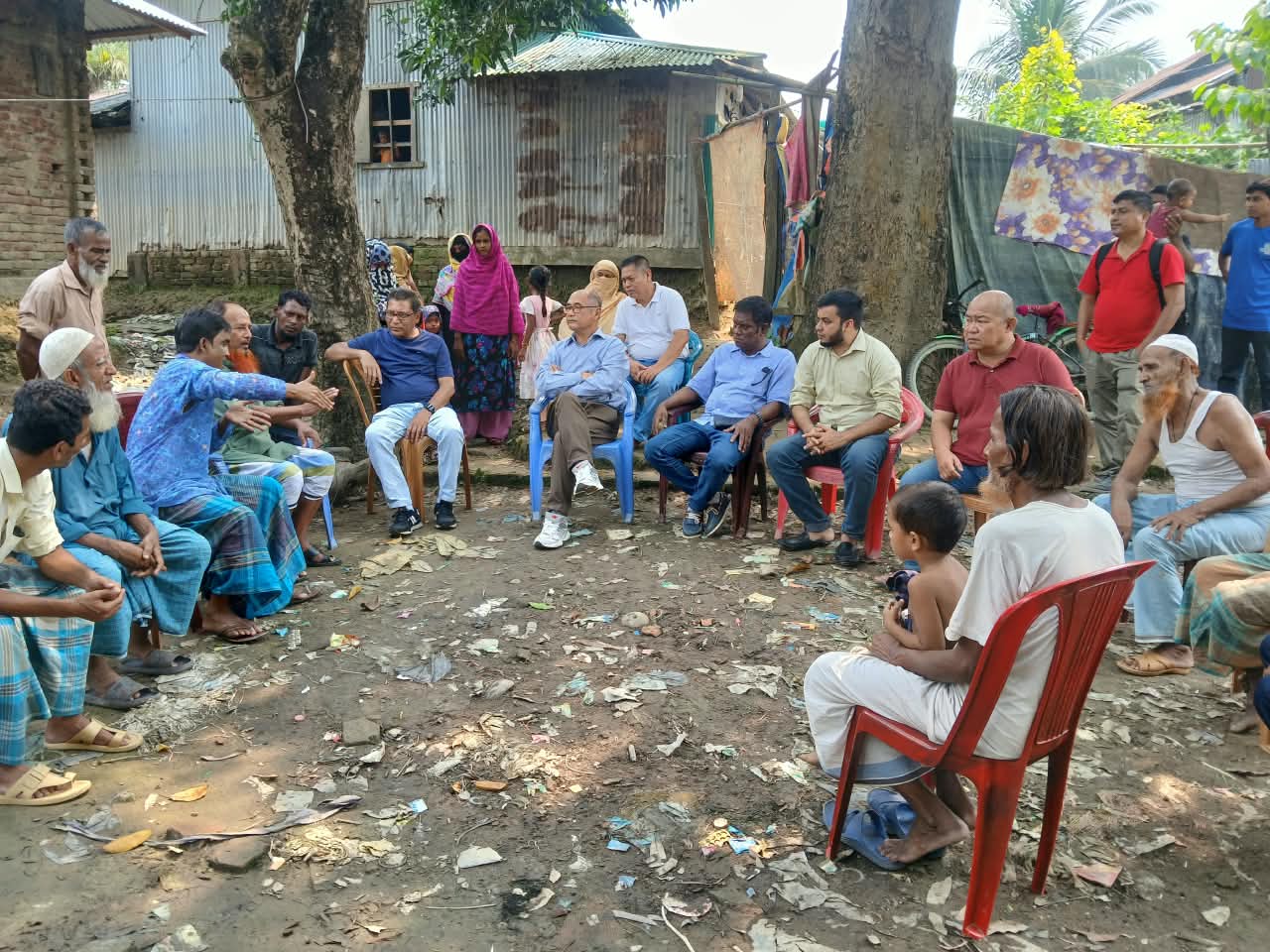
The project follows a community-based and participatory approach. Local authorities, community leaders, women’s groups and vulnerable households take part in beneficiary selection, planning and maintenance of facilities that are built or repaired.

Built to Last
FERB invests in community ownership so recovery measures can continue beyond the project period. Water User Committees and maintenance committees receive training and tools; shelter and WASH repairs use disaster-resilient designs; livelihood support promotes climate-smart farming and small businesses; and cash-for-work leaves behind rehabilitated roads and community assets. Continued engagement with local government helps link project gains with existing disaster-preparedness and development plans.