Organizational Profile
Explore the institutional direction, program reach and organizational information that guide TUS in working with communities and development partners.
Purpose-led, community-focused and accountable in action
TUS's organizational direction is built around a clear mission, a long-term vision and a practical approach to inclusive, locally grounded development.
Our Mission
"To build up capacities of disadvantaged, marginalized and back-warded communities at the grassroots level so that they can identify and solve their problems or issues to access their socio-economic, culture, education and other citizen services."
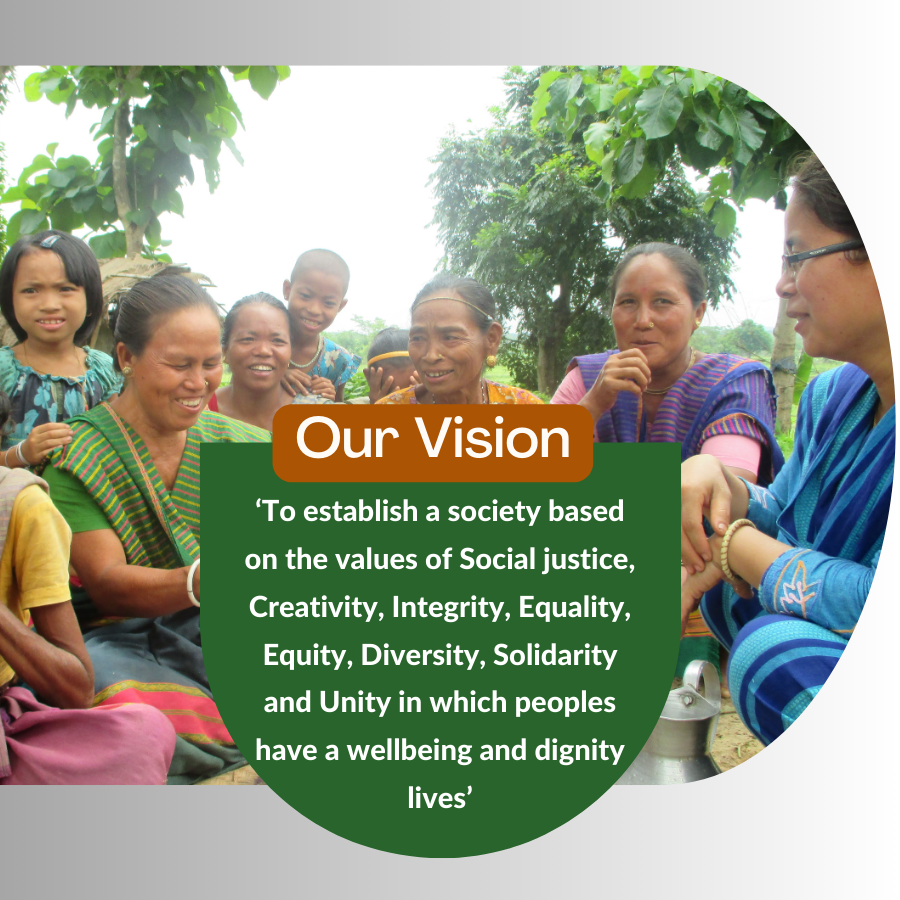
Our Vision
"To establish a society based on the values of Social justice, Creativity, Integrity, Equality, Equity, Diversity, Solidarity and Unity in which peoples have well-being and dignity lives."
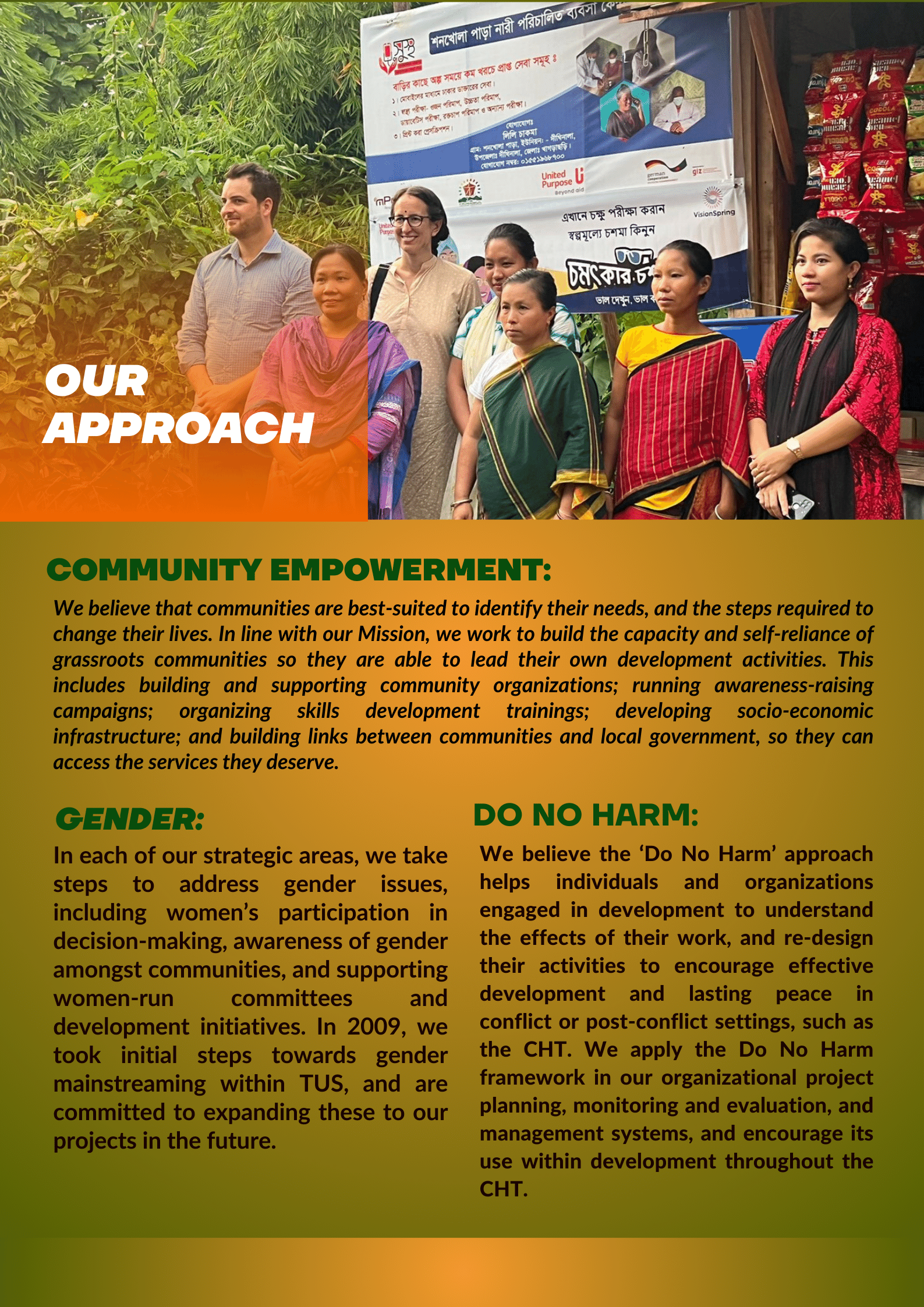
Our Approach
Community Empowerment: We believe that communities are best-suited to identify their needs, and the steps required to change their lives. In line with our Mission, we work to build the capacity and self-reliance of grassroots communities so they are able to lead their own development activities. This includes building and supporting community organizations; running awareness-raising campaigns; organizing skills development trainings; developing socio- economic infrastructure; and building links between communities and local government, so they can access the services they deserve.
Gender: In each of our strategic areas, we take steps to address gender issues, including women’s participation in decision-making, awareness of gender amongst communities, and supporting women-run committees and development initiatives. In 2009, we took initial steps towards gender mainstreaming within TUS, and are committed to expanding these to our projects in the future.
‘Do No Harm’: We believe the ‘Do No Harm’ approach helps individuals and organizations engaged in development to understand the effects of their work, and re-design their activities to encourage effective development and lasting peace in conflict or post-conflict settings, such as the CHT. We apply the Do No Harm framework in our organizational project planning, monitoring and evaluation, and management systems, and encourage its use within development throughout the CHT.
Explore TUS at a glance
Direct access to the public information that explains the organization's structure, legal standing, partnerships and program work.
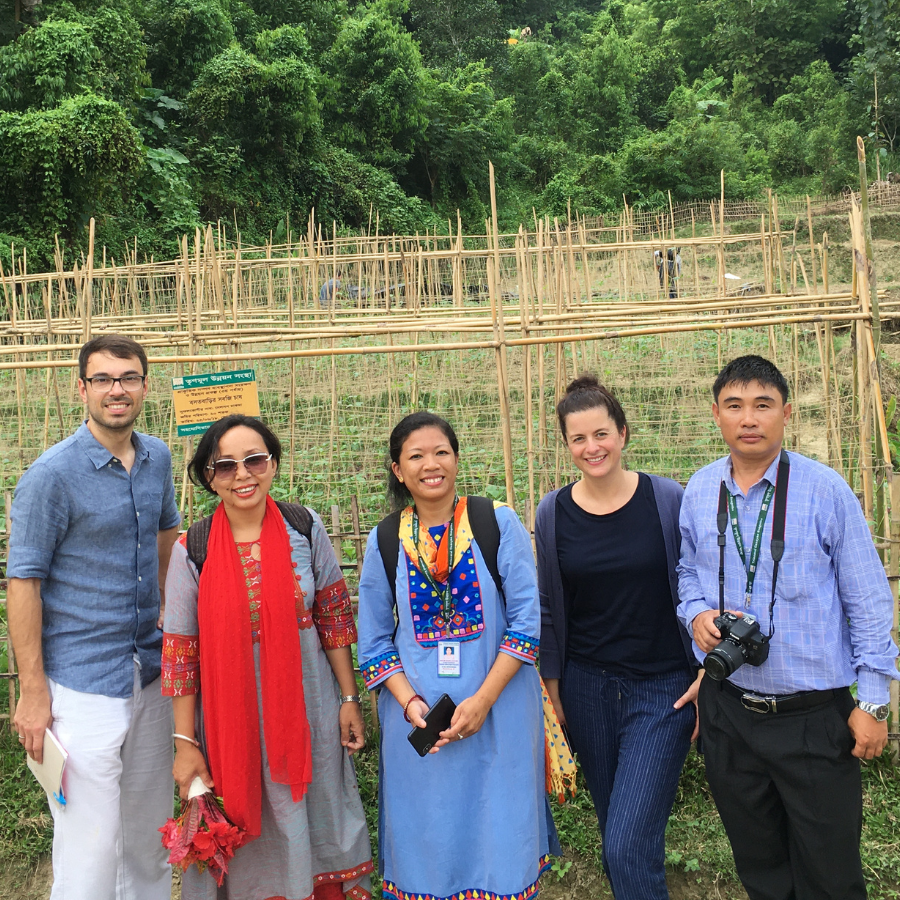
TUS through people and field engagement
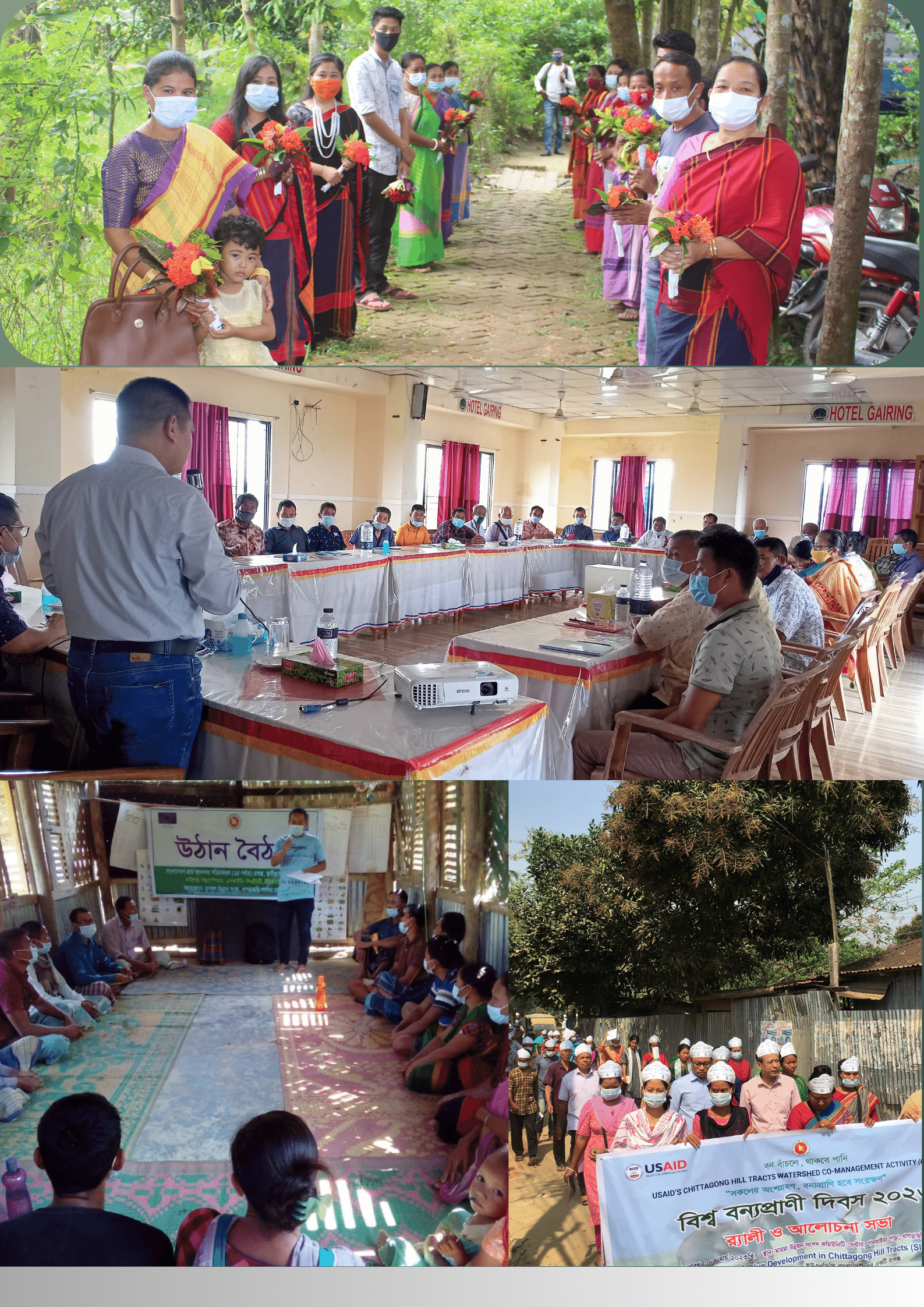
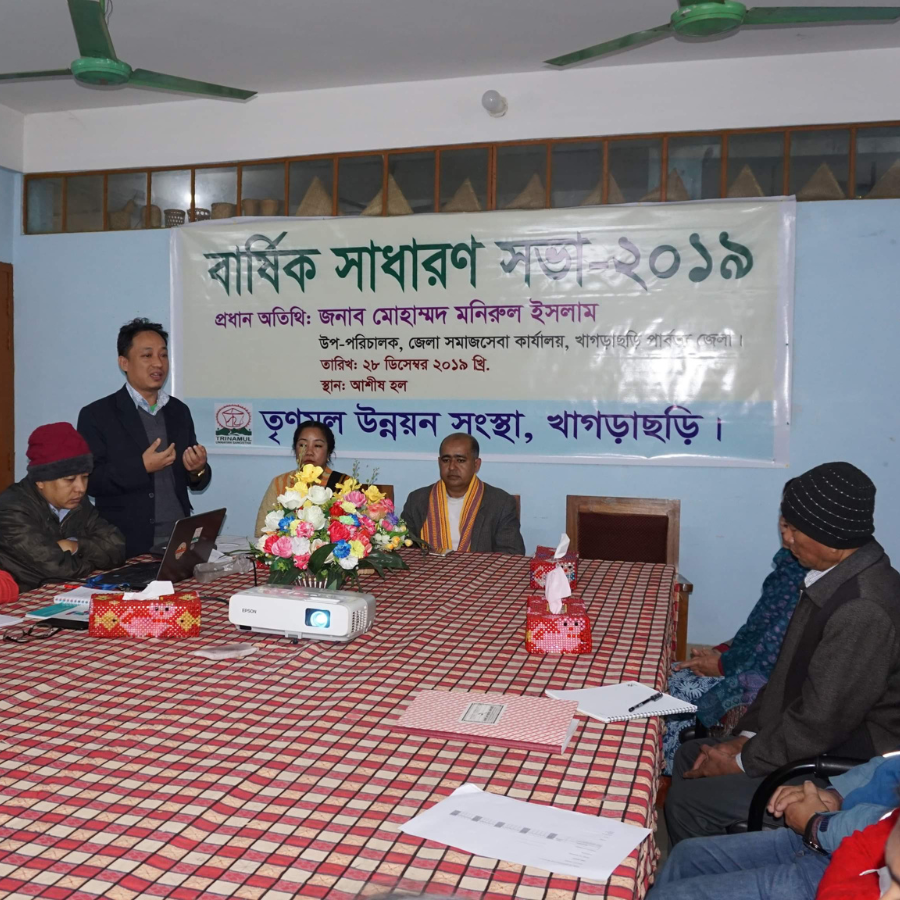
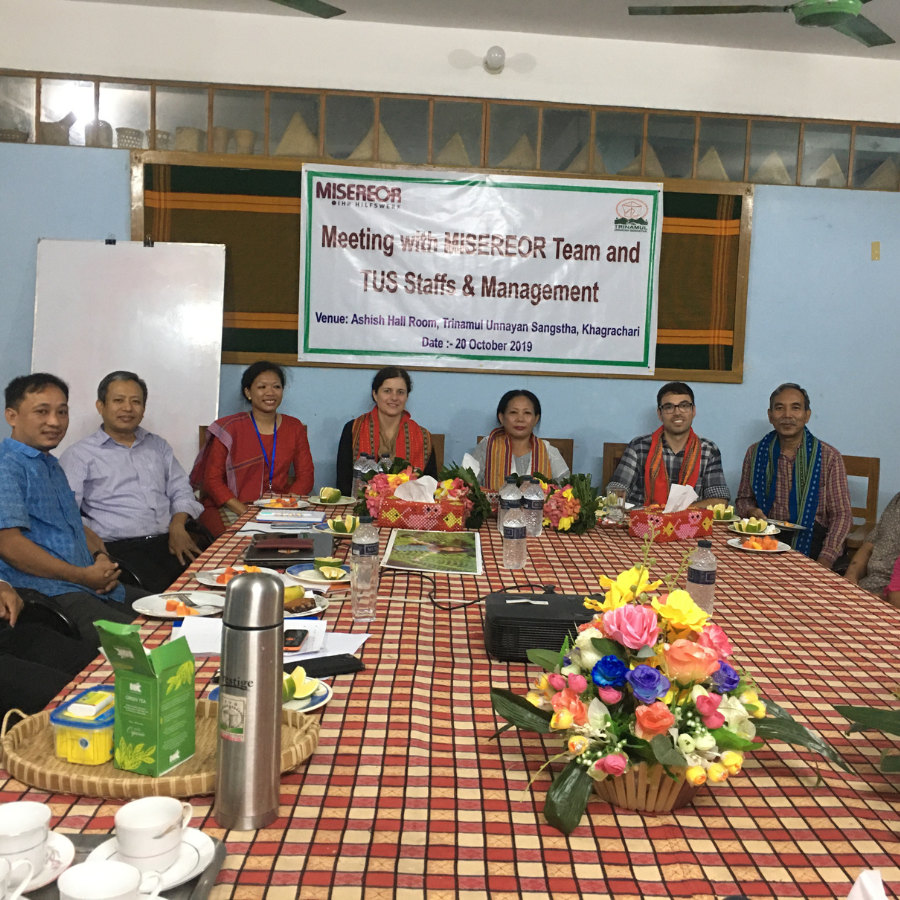
Selected images from organizational activities, community engagement and institutional events.
Connect with TUS
Learn more about our programs and organizational work, or contact the TUS office for institutional information and partnership enquiries.