Our Story: A Grassroots Journey Since 1997
The Story of TUS — Since 1997
Trinamul Unnayan Sangstha (TUS) is an organization for community development based in Chittagong Hill Tracts which was established on 15 March in 1997 by a group of dedicated social activists. From the beginning we have aimed to empower grassroots communities of the Chittagong Hill Tracts (CHT), so they can take action on the social and economic challenges they face. Since our establishment, we have led the mission successfully more than one decade as a non-governmental, non-profit and non-political organization. We are now a leading local NGO in Khagrachari District, and have experience in undertaking a range of short and long-term projects on livelihoods, environment, biodiversity, traditional knowledge, water and sanitation, hygiene education practices, primary health care, Sexual and Reproductive Health Rights (SRHR), good governance, and education issues.
From a local initiative to a broad community-development portfolio
From its founding by a group of social activists on 15 March 1997, TUS has worked as a non-governmental, non-profit and non-political organization rooted in the Chittagong Hill Tracts (CHT). Its founding purpose—enabling grassroots communities to identify their needs, exercise their rights and address social and economic challenges—continues to connect the different chapters of its work.
Over time, its publicly documented initiatives have brought together non-formal education, food assistance, community health, safe water and sanitation, livelihoods, good governance, local leadership, natural-resource management and the protection of traditional knowledge. Work with women, young people and marginalized communities has increasingly included access to information, sexual and reproductive health and rights, skills, social inclusion, climate resilience and emergency recovery.
TUS is based in Khagrachari and has a broader history of engagement across the three hill districts. Its approach emphasizes community participation, gender inclusion, local institutions and practical partnerships. Its institutional profile also identifies the Do No Harm approach as part of organizational planning, monitoring, evaluation and management in the CHT context.
Our journey through the years
Explore seven chapters of TUS's development—from grassroots beginnings in 1997 to today's community-led programmes. Dates below reflect published project records and are selected highlights, not an exhaustive institutional history.
Grassroots beginnings in the Hill Tracts
Trinamul Unnayan Sangstha was established on 15 March 1997 by dedicated social activists. Its original focus was to support disadvantaged and marginalized communities in the CHT to build their own capacities and respond to the social, cultural and economic issues shaping everyday life.
Education, food security, health and essential services
Among the earliest initiatives listed in the online portfolio are the Expanded Food Assistance (EFA) programme in Matiranga and Khagrachari Sadar (2001) and non-formal primary education in Khagrachari Sadar (2001–2003). The record also includes community health development in Matiranga, advocacy on common-property resources in Dighinala and the Community Managed Water and Sanitation Project beginning in 2004.
Building local institutions and stewardship of resources
TUS's published work widened through the Chittagong Hill Tracts Rural Development Project (CHTRDP-I), community-organizer and leadership training, Local Capacities for Peace, and sustainable-development and good-governance activities. Natural-resource management gained a substantial place in the portfolio through the PPNRM pilot phase (2007–2010) and the CANDL initiative starting in 2009, alongside community-managed WASH and hygiene programmes.
Longer-term livelihoods, watershed and rural development
The project directory records successive phases of community-based natural-resource management, including PPNRM Phase 1 (2011–2014) and Phase 2 (2014–2017), as well as CHTRDP-II beginning in 2013. Village Common Forest support, livelihood grants, access-to-information initiatives and work with community groups illustrate the growing links between environmental care, public services and economic opportunity.
Stronger attention to rights, inclusion and resilience
Later phases of natural-resource management were accompanied by initiatives on women's right of access to information and the OLHF project on the dignity, health and rights of adolescent girls and women. The published portfolio also records village-court work, women's entrepreneurship and recovery activities during the COVID-19 period, and the CHT Watershed Co-Management Activity (2021–2023).
Connecting community wellbeing, livelihoods and civic engagement
Work reflected in this period includes the SOFOL initiative supporting orphaned children, Partnership for Resilient Livelihoods in the CHT Region (PRLC), ASTHA, and EMPOWERMENT. Alongside these, the portfolio records emergency response through FERB and climate-resilient land and agricultural work through PGRNER. Across projects, TUS worked with community members, civil society and institutional partners on access, participation and practical livelihood needs.
Integrated WASH, recovery, climate resilience and watershed management
As recorded in the 2026 project portfolio, TUS's work includes IWASH in Dighinala, FERB-2026 emergency recovery and resilience, and the watershed-management (WSM-NGO) and community-infrastructure (CI-NGO) assignments in Khagrachari. The combination of safe and inclusive services, community-prioritized infrastructure, resilient livelihoods and participatory planning reflects the continuing development of its grassroots mandate.
What has remained central to our journey
Across changing projects and funding arrangements, TUS's published mission and approach place community empowerment at the centre: supporting local organizations, developing skills, strengthening links with local government, and increasing the participation of women and marginalized people in decisions that affect them. Partnerships with public institutions, NGOs, civil society, knowledge organizations and development partners have helped translate local priorities into programme activities.
Today, the TUS website brings together its project record, organizational profile, networks, donor relationships and information for the communities and stakeholders it works with—providing a way to explore this history through the underlying institutional and programme pages.
Mission, Vision & Approach
The principles and strategic direction that guide how TUS works with communities and partners.
Our Mission
"To build up capacities of disadvantaged, marginalized and back-warded communities at the grassroots level so that they can identify and solve their problems or issues to access their socio-economic, culture, education and other citizen services."
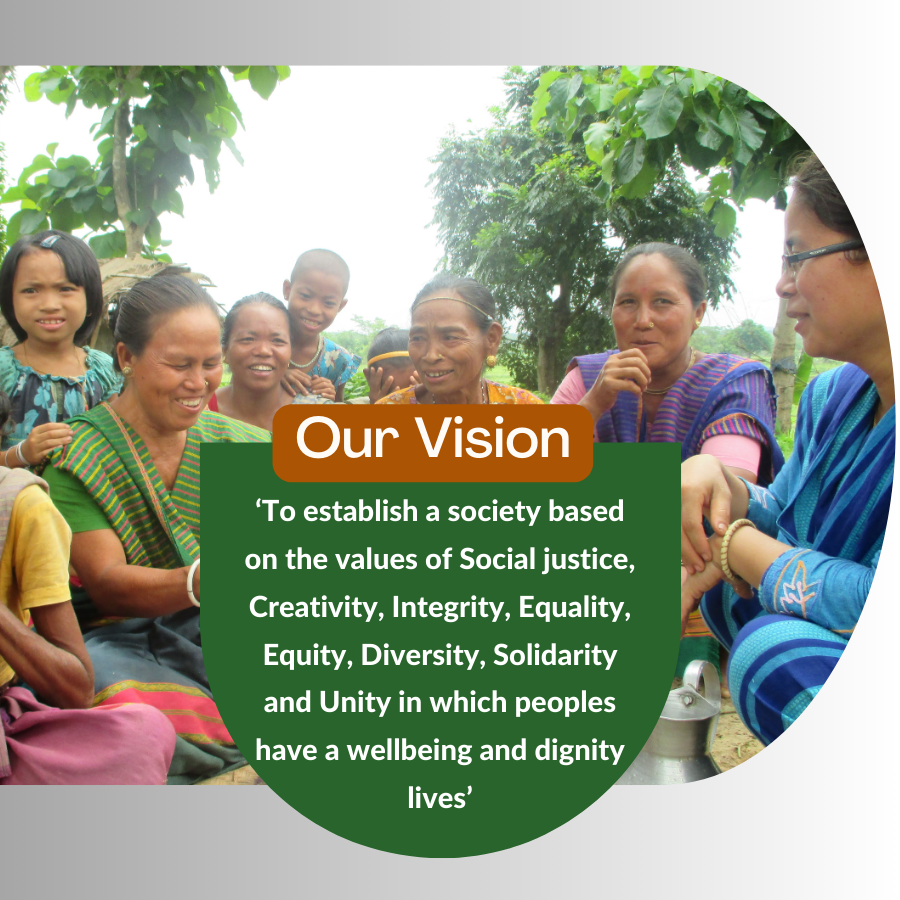
Our Vision
"To establish a society based on the values of Social justice, Creativity, Integrity, Equality, Equity, Diversity, Solidarity and Unity in which peoples have well-being and dignity lives."
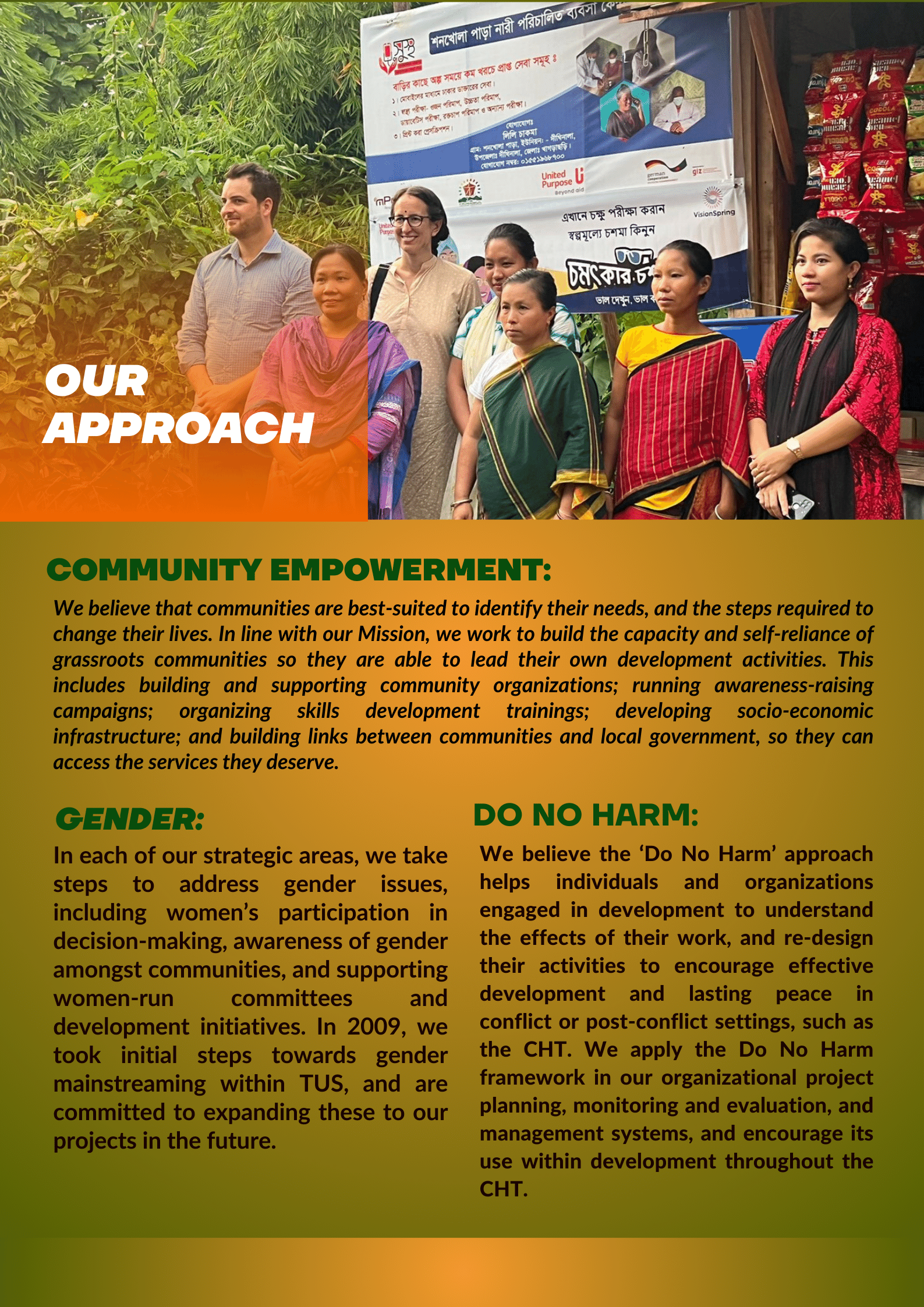
Our Approach
Community Empowerment: We believe that communities are best-suited to identify their needs, and the steps required to change their lives. In line with our Mission, we work to build the capacity and self-reliance of grassroots communities so they are able to lead their own development activities. This includes building and supporting community organizations; running awareness-raising campaigns; organizing skills development trainings; developing socio- economic infrastructure; and building links between communities and local government, so they can access the services they deserve.
Gender: In each of our strategic areas, we take steps to address gender issues, including women’s participation in decision-making, awareness of gender amongst communities, and supporting women-run committees and development initiatives. In 2009, we took initial steps towards gender mainstreaming within TUS, and are committed to expanding these to our projects in the future.
‘Do No Harm’: We believe the ‘Do No Harm’ approach helps individuals and organizations engaged in development to understand the effects of their work, and re-design their activities to encourage effective development and lasting peace in conflict or post-conflict settings, such as the CHT. We apply the Do No Harm framework in our organizational project planning, monitoring and evaluation, and management systems, and encourage its use within development throughout the CHT.
Organization at a glance
Quick access to the key information that explains our governance, people, partnerships and work.
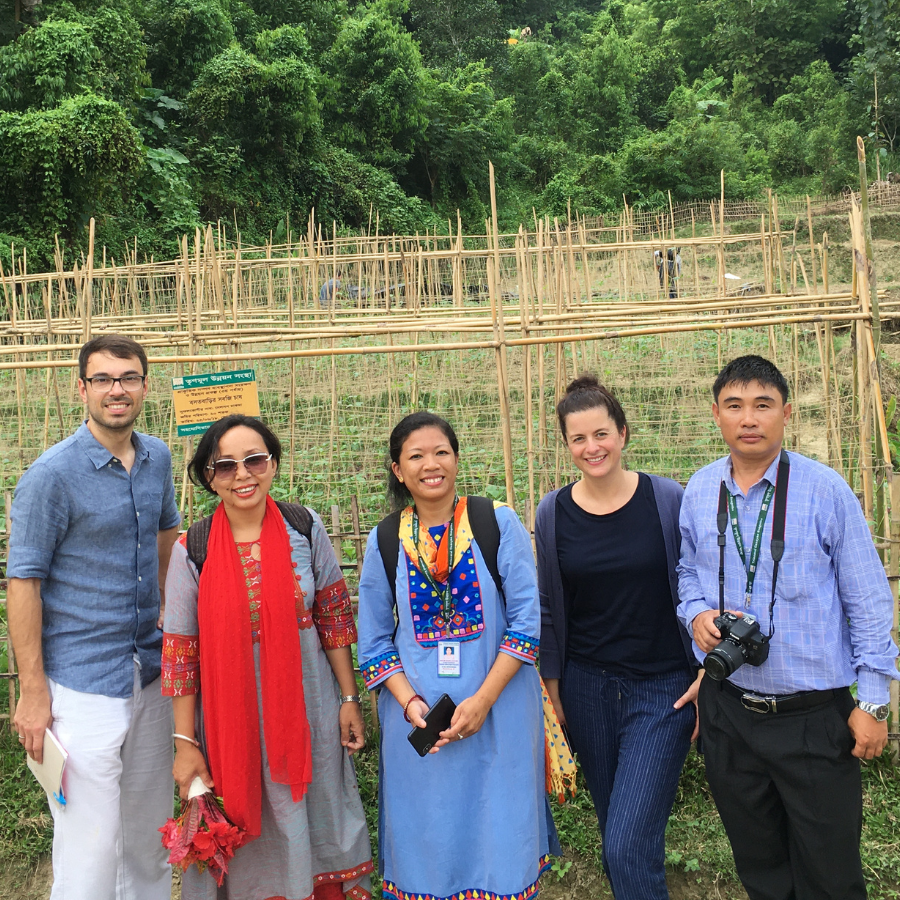
Our organization in action
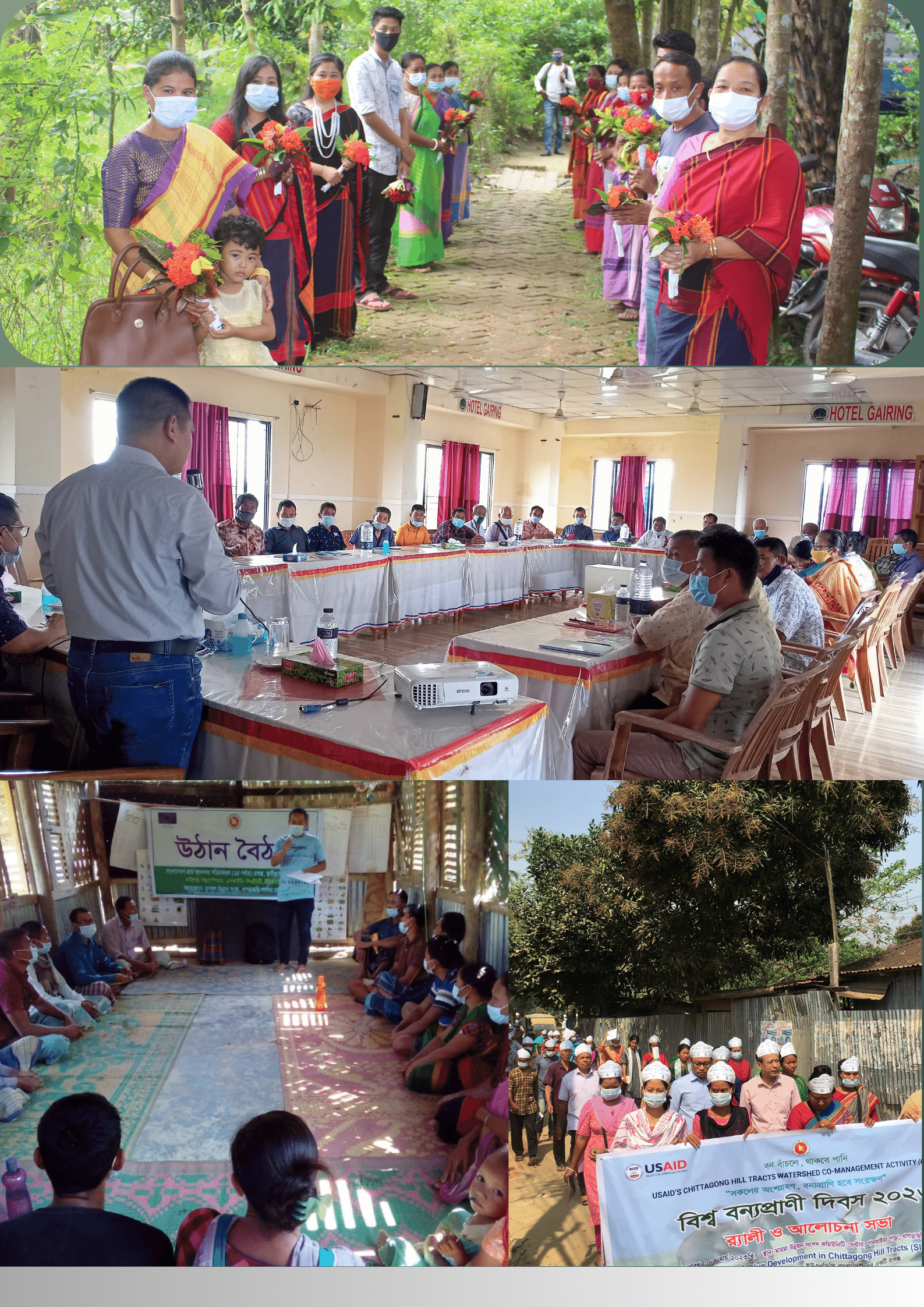
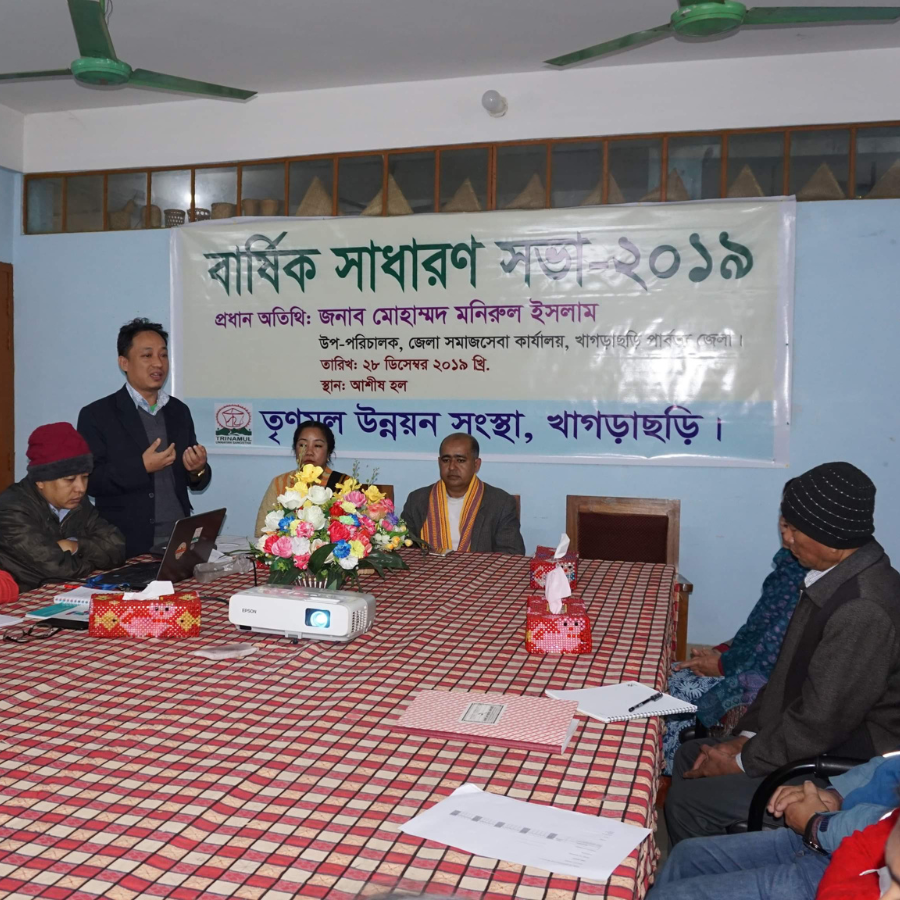
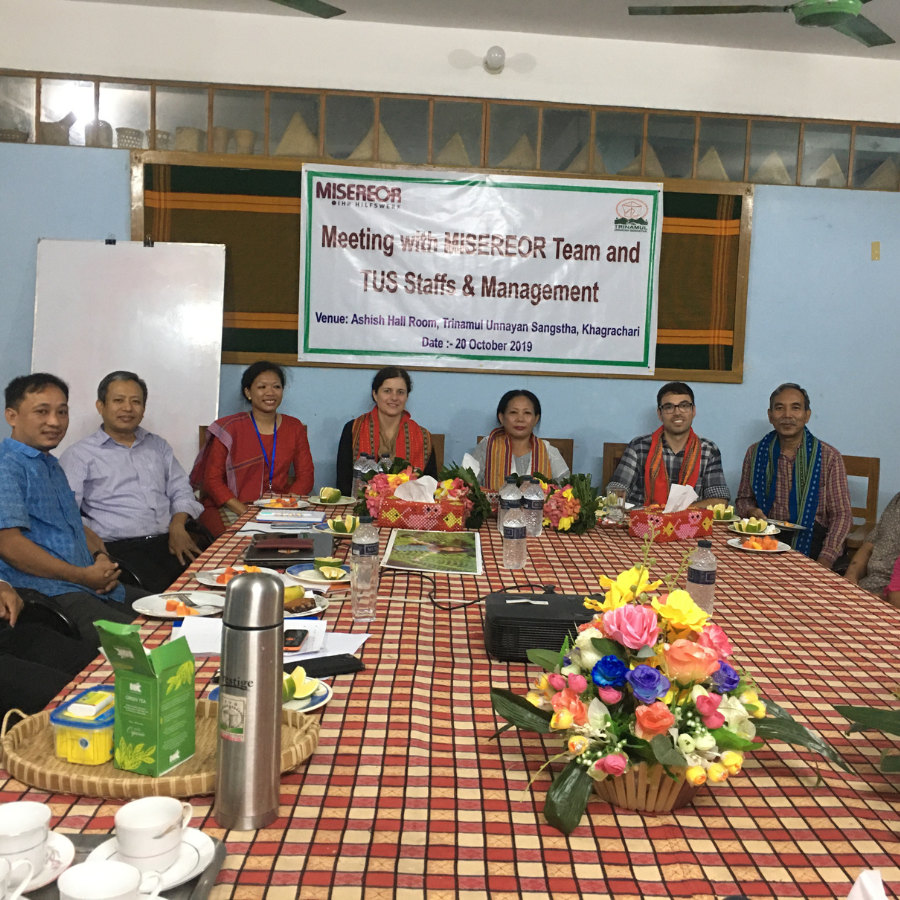
A visual window into TUS's engagement with communities, staff, partners and field activities.
Learn more about TUS
Explore our programs, partners and organizational information, or contact us for further details.